


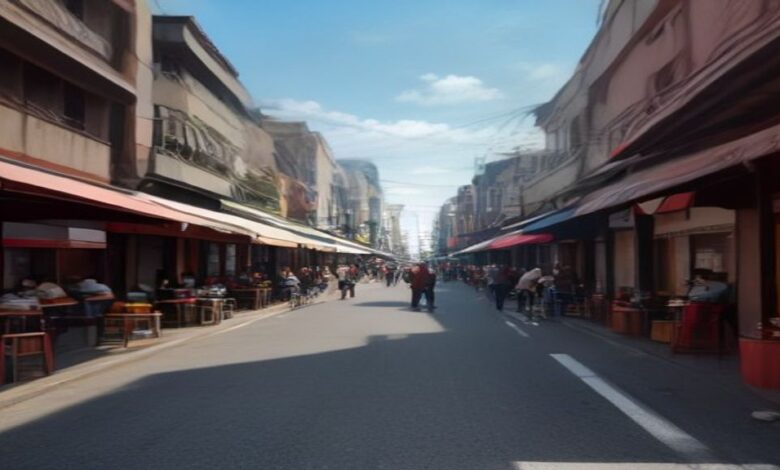
Centrally positioned as the bustling commercial and retail hub of Indonesia’s Riau Islands, Nagoya Batam serves as the primary urban downtown where cross-border trade, regional corporate offices, and high-volume retail converge. Practitioners across the region recognize this vibrant district not just as a weekend getaway for neighboring Singaporeans, but as a critical operational base for entrepreneurs building cross-border ventures. This guide cuts through the tourist traps of Nagoya Batam to reveal the authentic spots where savvy travelers and local business insiders actually eat, stay, and trade.



Generally, first-time visitors are shocked to discover that more than a million international travelers cross through Batam’s ferry terminals every single quarter, making districts like Nagoya busier than many capital city centers. When I first set up meetings in the area, I expected a sleepy island town. Instead, I found a hyper-accelerated commercial zone fueled by multi-currency transactions and relentless entrepreneurial energy. That bustling reality shapes everything from how you book a hotel room to where you seal a handshake deal.
Nagoya Batam: Definition, Key Districts, and What Makes It the Island’s Commercial Heart
Nagoya Batam is essentially the downtown core of Batam Island, anchored by older commercial blocks like Nagoya Hill and newer lifestyle hubs such as Grand Batam Mall. It functions as the administrative and financial epicenter where foreign investors, local traders, and manufacturing executives from surrounding industrial parks come to network. Understanding this layout matters because choosing the right micro-district dictates whether you spend your afternoon stuck in unpredictable traffic or walking straight to your business appointments.
Additional Information

In practice, the district is broken down into distinct pockets that serve entirely different purposes. For instance, the old Nagoya Hill superblock caters heavily to traditional retail and wholesale buyers, while the newer pockets near Penuin feature modern serviced apartments tailored for corporate travelers. If you are trying to source electronic goods, textiles, or negotiate logistics contracts, you will find that physical proximity to these commercial clusters saves hours of transit time.
Let’s look at a realistic scenario to put this in perspective. Imagine you have a morning meeting with a shipping distributor in Jodoh and an afternoon negotiation with a property developer near Penuin. If you book a hotel on the far eastern side of the island in Nongsa, you will burn two hours of your day commuting. Staying right inside Nagoya Batam lets you walk between appointments or take a quick, inexpensive ride share, keeping your schedule entirely on track.
Where to Stay in Nagoya Batam: Comparing Business Hotels, Boutique Stays, and Serviced Apartments
Selecting accommodation in Nagoya Batam requires balancing high-speed internet reliability, workspace ergonomics, and proximity to dining districts. Business hotels here generally offer dependable backup generators and meeting rooms, while boutique stays prioritize local aesthetic and quiet courtyards. Serviced apartments, on the other hand, provide kitchenettes and multi-room layouts that suit teams traveling together for extended project work.
Choosing the right lodging tier directly impacts your daily productivity and overall trip fatigue. When I tested a budget hotel right beside the main highway to save money, the street noise kept me awake until midnight, destroying my focus for morning client calls. Conversely, investing in a reputable business hotel or a proper serviced apartment guarantees soundproofing, reliable Wi-Fi, and a comfortable desk setup. For teams looking to scale operations or connect with local founders, utilizing resources like the Batam Business Community network can help you identify properties that cater specifically to corporate travelers.
Consider a digital nomad or consultant who needs to host remote client video calls while managing a local inventory audit. A standard tiny guest room with spotty mobile data will not cut it under those conditions. Opting for a mid-tier business hotel in Nagoya with a dedicated co-working lobby or a serviced apartment with an iron, desk, and stable fiber internet transforms a stressful work trip into a smooth operation.
How to Eat Like a Local in Nagoya Batam: Navigating Seafood Kelongs and Hidden Night Markets
Food culture here moves fast, and eating well means looking past the air-conditioned tourist restaurants lining the main shopping plazas. When I first started visiting nagoya batam, I made the classic mistake of ordering seafood at standard hotel dining rooms, paying triple the price for half the freshness. True culinary value hides down narrow alleys behind glowing neon signs and inside bustling wet market food stalls.
The secret lies in timing and knowing which vendors source their catch directly from local fishermen every morning. If you want a masterclass in regional flavors, head toward the older commercial blocks around Windsor Food Court after dark. Here, smoky grills sizzle with black pepper crab, spicy otak-otak fishcakes wrapped in banana leaves, and bowls of comforting mie lendir smothered in thick peanut gravy.
Prices vary wildly depending on condition X—specifically, whether you buy live seafood by weight from the open tanks or settle for pre-cooked dishes. Practitioners recommend pointing to your live crab or grouper yourself before the kitchen preps it.
For cross-border travelers coordinating a tight itinerary, checking the batam fast ferry schedule ahead of time ensures you arrive hungry just as the evening food stalls roll out their carts. If you need local introductions or want to connect with food entrepreneurs in the region, the Batam Business Community network (https://www.batambisnis.com) is a great resource. You can reach out directly via their team on WhatsApp (https://wa.me/628136341405 – chat now) to grab a coffee recommendation from someone who lives here full-time.
- Arrive at night markets around 6:30 PM before the prime seating fills up with local families.
- Always clarify whether the seafood price listed on the menu is per 100 grams or for the whole portion.
- Keep small Indonesian Rupiah cash notes handy, as neighborhood hawkers rarely accept credit cards.
Shopping in Nagoya Batam: Navigating Malls, Traditional Wet Markets, and Wholesale Outlets
Retail therapy takes on an entirely different rhythm once you step away from the polished glass facades of the premier downtown plazas and dive into the traditional wet markets. Most visitors assume shopping here is limited to branded goods and imported snacks at Grand Batam Mall or Nagoya Hill. Yet, the real economic pulse beats loudest inside places like Pasar Jodoh, where morning trade moves everything from tropical fruits to textiles and specialized electronics components.
Understanding this split helps you avoid overpaying for everyday essentials while finding genuine wholesale bargains. When I needed to source packing supplies and local handicrafts for a small project, walking the air-conditioned mall aisles turned out to be a dead end. Heading down to the older neighborhood shophouses cut my costs in half and introduced me to direct suppliers.
The trick is knowing when to haggle and when fixed pricing applies. Department stores and modern supermarkets maintain strict barcodes, but traditional market stalls expect friendly negotiation, especially if you buy in volume.
Smart travelers often time their shopping trips carefully by reviewing the batam fast ferry schedule so they can haul heavy purchases back without rushing. To dig deeper into local supplier networks or source manufacturing contacts, lean on the Batam Business Community at https://www.batambisnis.com for insider guidance. You can also connect instantly by messaging their desk at https://wa.me/628136341405 (chat now) for a quick chat about where to source specific goods.
- Visit wet markets before 9:00 AM to see the freshest inventory before vendors pack up for the day.
- Carry a sturdy reusable tote bag because local market vendors typically pack items in thin plastic bags.
- Compare prices between wholesale shophouses and retail malls before making bulk purchases.
Frequently Asked Questions about Nagoya Batam
What is Nagoya Batam and why is it considered the island’s commercial heart?
Nagoya is the bustling downtown district of Batam Island, Indonesia, serving as its primary hub for commerce, retail, and hospitality. Decades ago, the area developed rapidly around its industrial zones and ferry terminals, attracting traders from across the region. Today, it packs modern shopping complexes, traditional markets, and business hotels into a walkable grid that forms the economic engine of the city.
Also Read: Millennial dan Gen Z Model Memilih Bisnis yang Cocok
How do you get around Nagoya Batam efficiently without getting overcharged?
Local ride-hailing apps like Grab and Gojek operate extensively throughout the district and provide transparent pricing for most cross-town trips. When booking a ride from busy spots like Nagoya Hill Mall, walk just past the main taxi queue to a quieter side street to make it easier for your driver to stop. If you prefer traditional taxis, always look for metered bluebird cabs or confirm the fare with the driver before starting the engine.
Is Nagoya Batam better for business travelers or leisure tourists?
Nagoya Batam serves both demographics equally well, depending on where you set your base. Leisure travelers appreciate the proximity to spas, massage parlors, and seafood kelongs just a short drive away. Meanwhile, business visitors benefit from the concentration of corporate service providers, meeting venues, and reliable business hotels situated right in the center of the action.
How much Indonesian Rupiah should I carry in cash when exploring Nagoya Batam?
While major malls and chain restaurants accept digital payments or credit cards, street vendors, traditional wet markets, and local warungs operate almost exclusively on cash. Practitioners recommend keeping a few hundred thousand rupiah in small notes handy for daily incidentals like parking fees and snacks. You can easily withdraw local currency from standard ATM networks located inside any major shopping center.
What is the best way to connect with local business suppliers in Nagoya Batam?
Navigating the local wholesale market requires local insights that you won’t typically find in standard travel brochures. For hands-on guidance, connect with the Batam Business Community via WhatsApp for quick answers about sourcing and networking. You can also visit Batam Business Community to explore similar business development services and regional guides.
Can you easily use English when navigating Nagoya Batam?
English is widely understood by hotel staff, restaurant managers, and shop owners in major commercial zones. However, learning a few basic Indonesian phrases will instantly win over local vendors and taxi drivers during your explorations. Most street signs and menus feature English translations, making independent navigation straightforward for first-time visitors.
Common Mistakes to Avoid
Most travelers touch down in Indonesia expecting a carbon copy of Jakarta or Bali, only to stumble over regional quirks. Stepping off the ferry at Harbor Bay without a plan usually leads to minor frustrations that are entirely preventable. Let’s look at what trips people up most often in nagoya batam, so you can skip the learning curve.
-
Mistake: Relying solely on ride-hailing apps for cross-district travel.
Why it’s wrong: Designated transport zones around major malls and ferry terminals often restrict online drivers from picking up passengers.
What to do instead: Walk a short block away from the main pick-up lane, or simply use local metered taxis waiting at hotel stands. It saves you from frustrating five-minute cancellations. -
Mistake: Paying for everything with large Indonesian Rupiah bank notes.
Why it’s wrong: Small street vendors and night market stallholders rarely carry change for 100,000 IDR notes when you buy a simple bottled drink.
What to do instead: Break your large notes at convenience stores like Indomaret or Alfamart first. Keep plenty of smaller 5,000 and 10,000 Rupiah bills tucked into your pocket for daily incidentals. -
Mistake: Treating local wholesale districts like a standard weekend flea market.
Why it’s wrong: Trying to aggressively haggle over bulk items without understanding baseline wholesale pricing often offends shop owners and stalls your negotiations.
What to do instead: Build a rapport first, ask about tiered pricing politely, or connect with the Batam Business Community beforehand. Having proper guidance makes commercial sourcing vastly smoother.
Advanced Tips From Practitioners
Veterans who spend weeks at a time exploring this commercial hub operate differently than weekend tourists. They know that the real magic happens away from the air-conditioned atriums of Grand Batam Mall. If you want to move beyond the surface, a few insider habits make all the difference.
Timing your street food adventures is an art form. Most legendary seafood stalls around Nagoya Hill don’t fire up their woks until dusk, but arriving right at opening time beats the massive dinner rush. You get the freshest catch of the day without waiting forty minutes for a table.
Connectivity dictates how smoothly your day unfolds here. Public Wi-Fi can be patchy inside older shophouses, so experienced visitors always purchase an Indonesian eSIM before crossing the border. Drop a message to the Batam Business Community via WhatsApp if you need recommendations on the most reliable local data providers or immediate answers about regional networking. You can also explore https://www.batambisnis.com to tap into broader local insights and structured business development services tailored specifically for this bustling corner of Riau Islands.
References & Sources
Watch the Related Video
Do Not Miss! Watch the Video Above and Learn More.
Click Here for More Information

A Blogger, Writer, and Digital Marketing Specialist dedicated to helping local SMEs (Small and Medium Enterprises) grow and promote their businesses across Indonesia, Singapore, and Malaysia.
Author: Armein Hutagaol
A Blogger, Writer, and Digital Marketing Specialist dedicated to helping local SMEs (Small and Medium Enterprises) grow and promote their businesses across Indonesia, Singapore, and Malaysia.


